Tropes So Good, They’re Scary: A Horror Writer’s Guide to the Classics (& How to Corrupt Them)
- Cailynn Brawffe

- Aug 6, 2025
- 4 min read

Do you dream in nightmares? Find yourself comforted by creaking floorboards and whispers from the walls? If so, welcome—you’re probably a horror writer in the making. But before you pen your masterpiece of dread, there’s something lurking in the shadows of your first draft: the tropes.
What Is a Horror Trope?
A trope is a storytelling element you’ve seen (and screamed at) before—a recurring theme, character, or plot device that’s wandered through generations of horror like a well-fed ghost.
You know the ones: the creepy old house, the “it was all in their head,” the final girl covered in blood and trauma. These tropes exist for a reason—they work. They touch something primal. They’re the garlic and blood of the genre.
But the trick isn’t to avoid tropes. It’s to own them, twist them, corrupt them. Give them fresh teeth. Because horror readers might come for the familiar, but they stay for the unexpected.
So let’s exhume some of the genre’s most iconic tropes—and explore how to make them terrifying again.
1. The Isolated Setting
The Trope: The classic setup: a remote cabin, a crumbling asylum, a quiet village where people smile too much. Isolation means no help is coming—and the thing in the dark knows it.
Examples: The Shining, Rosemary’s Baby, The Blair Witch Project.
How to Twist It:
Urban Isolation: A horror set in a packed apartment block or city, where no one believes you and everyone’s too busy to care.
The Familiar Turned Hostile: Your character's own home or workplace slowly turns against them. Comfort curdles into dread.
Not Alone After All: The setting isn't empty—it’s filled with people. You just can't trust any of them.
2. The Innocent or Vulnerable Protagonist
The Trope: A child. A young woman. Someone fragile. They don’t understand the rules yet—and that’s when the horror hits hardest.
Examples: Eleven in Stranger Things, just about every “final girl” in slasher films.
How to Twist It:
The Capable But Powerless: A skilled character—soldier, doctor, cop—who finds that experience means nothing when reality starts fraying at the edges.
The Sweet-Faced Liar: Your protagonist may seem innocent, but they’re hiding something. And it’s hungry.
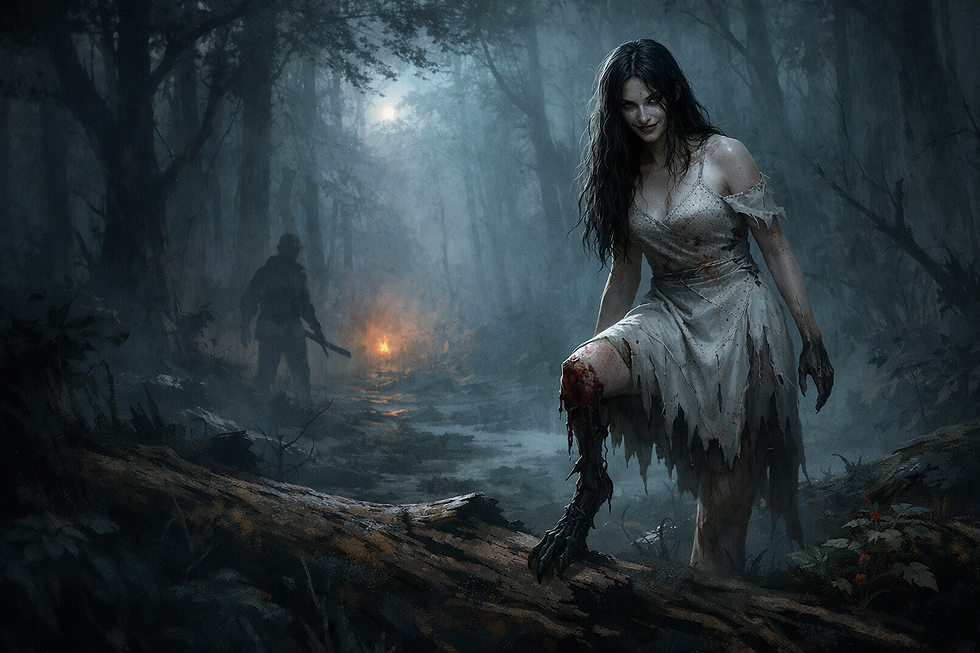
The Becoming: The horror isn't chasing them—they are the horror, and they’re starting to realize it.
3. The Ancient Evil
The Trope: It’s older than time. It’s unknowable. It’s often covered in slime and hates Latin. Usually, it’s not defeated—just delayed.
Examples: The Cthulhu Mythos, It, The Evil Dead.
How to Twist It:
The Evil You Know: Forget the cosmic gods. Try the horror of human evil: cult leaders, fascist governments, or family legacies you can’t escape.
The Internalized Demon: The “ancient evil” is a metaphor for generational trauma, mental illness, addiction—anything that lives inside and eats you from within.
The Sympathetic Horror: What if the ancient evil doesn’t want to destroy humanity—but humanity keeps giving it reasons to?
4. The Sudden Reveal / Jump Scare (Yes, in Prose)
The Trope: That moment when the monster jumps from behind the door—or the prose equivalent: a sudden, sharp moment that jolts the reader.
Examples: The mirror scene. The “it was behind me the whole time.” The page-turn that punches you in the face.
How to Twist It:
The Buildup Is Worse: Draw out the dread so long that readers start wishing the scare would just happen already. Then… don’t.
The Reader as Victim: Use second person or clever POV shifts to make the reader the one being hunted.
Psychological Snap: The scare isn’t external. It’s a character’s sudden realization that they’ve misunderstood everything.
5. The Prophecy or Ominous Warning
The Trope: A vague prediction. A warning scrawled in blood. A weird old man yelling “DON’T GO IN THERE!” that your character obviously ignores.
Examples: The Omen, Final Destination, every cursed-object story ever.
How to Twist It:
They Read It Wrong: The warning was legit. The interpretation? Way off. Now everyone’s preparing for the wrong apocalypse.
It’s All Your Fault: The more they try to avoid the prophecy, the more they ensure it comes true.
Everyone Believes It… Except You: The horror isn’t that it’s a prophecy—it’s that everyone else thinks it is, and they act accordingly.
6. The Haunting
The Trope:Ghosts. Shadows. Bumps in the night. Something lives in the walls and it hates your interior decorating.
Examples: The Haunting of Hill House, The Others, The Woman in Black.
How to Twist It:
It’s Not Dead—It’s Repressed: The ghost is a metaphor. Grief, guilt, generational trauma—all make excellent poltergeists.
Help Me, Ghost Daddy: The haunting is misunderstood. It’s not trying to hurt you—it’s trying to save you.
Modern Haunting: Ditch the old mansions. Haunt a dating app. A smart fridge. A TikTok filter. Terror moves with the times.
7. The Final Girl
The Trope:The last survivor. Often female. Often resourceful. Always traumatized. She lives, but at what cost?
Examples: Laurie Strode (Halloween), Nancy Thompson (A Nightmare on Elm Street), basically all of Scream.
How to Twist It:
Final Boy / Nonbinary Survivor: Flip the gender. Or better yet, the expectation.
The Final Monster: The survivor didn’t beat the horror—they became it.
No Survivors: Let the darkness win. Some stories don’t need hope.
Scarred but Breathing: Multiple characters survive—but they’re shattered. And maybe one of them brought something back…
Final Thoughts: Write What Haunts You
Tropes are not the enemy. They're the bones you build your monster on. Master them, then make them your own. Horror isn’t about originality for originality’s sake—it’s about taking the reader somewhere they weren’t expecting to go, even if the road looks familiar at first.
So the next time you reach for a haunted house, a whispering forest, or a wide-eyed protagonist, ask yourself:
How can I make this stranger, sharper, more personal—and worse?


Comments