The Women Who Haunt Me
- Cailynn Brawffe

- Jun 10, 2025
- 4 min read

This month, as I brewed another pot of black tea and stared into the abyss, I found myself musing on the women who first whispered horror into my ears—not just authors, but alchemists who turned dread into something darkly beautiful and brilliantly grotesque.
They taught me that horror doesn’t always burst through the window wielding a sharpened axe. Sometimes it sits primly at the dinner table wearing vintage perfume and smiles with too many teeth. At other times, it’s the echo in an empty room—or the way secrets hum under silk.
These are the women who haunt me. They are the women who rewired my fear and who made me fall in love with the shadows.
⚡ Mary Shelley: The Mother of Monsters
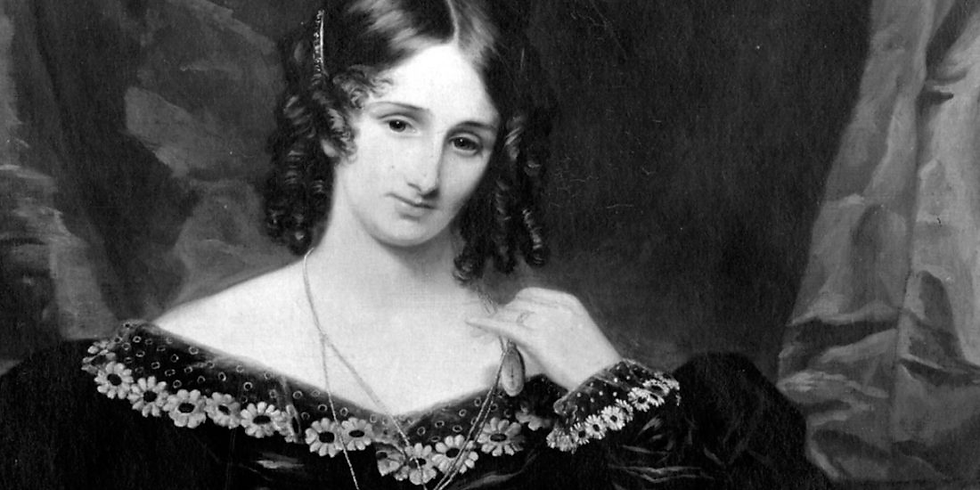
Before there were haunted houses, brooding vampires, or final girls running barefoot through the woods, there was Mary Shelley—seventeen years old, storm-swept, and casually conjuring one of literature’s most iconic monsters.
But Frankenstein isn’t just about bolts and brains. It’s about grief and god complexes, about what happens when creation outruns conscience. Shelley’s prose is soaked in sorrow and sharpened with existential weight. She didn’t give us a monster—she gave us a mirror. And what a terrifying reflection it is.
Mary taught me that horror doesn’t always scream—it questions. It mourns. It stares down the abyss and scribbles in the margins. Most of all, she taught me this vital truth: give a teenage girl a thunderstorm and a pen, and she might just rewrite the world’s nightmares.
🕯️ Shirley Jackson: The Elegant Unease

If horror had a patron saint of silence and slow-building dread, it would wear pearls and answer to Shirley Jackson. She’s the high priestess of the uncanny—the woman responsible for every time I freeze at the sound of a floorboard groaning under no one’s weight.
The Haunting of Hill House isn’t just a ghost story; it’s a scalpel slicing into loneliness, into the ache of wanting to be seen—even if it’s by something malevolent. And We Have Always Lived in the Castle? It hums like a lullaby sung just a little off-key, sweet and sinister in the same breath.
From Shirley, I learned that horror doesn’t have to raise its voice. It lives in pauses. In glances. In what no one dares to say out loud.
💄 Gillian Flynn: Cutting Edge & Rotten at the Core

Gillian Flynn didn’t knock politely—she strutted up in bloodied stilettos and kicked the damn door off its hinges. Her brand of horror doesn’t lurk in the shadows; it sidles up, lights a cigarette, and asks if your mother ever really loved you.
With Sharp Objects, she gave us Camille—a woman stitched together by secrets and scars, equal parts fragile and feral. The kind of narrator who makes you question everything, including your own reflection. Flynn taught me that horror doesn’t have to be supernatural to be sinister. Sometimes it’s clever women navigating a minefield of generational trauma.
Sometimes it’s the unspoken cruelties hiding behind white picket fences.
She also taught me to never trust a Southern Gothic mansion—and to always, always check for hidden cutlery.
🖋️ Joyce Carol Oates: Literary Fever Dreams
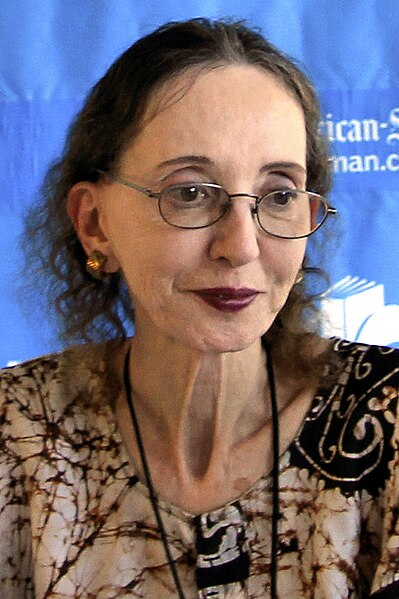
Reading Joyce Carol Oates is like stepping into a dream that’s already gone sour. You blink, and things get darker. Blink again, and reality’s edges have melted. Her horror doesn’t lunge—it lounges. It watches. It waits.
Her stories carry the unsettling logic of nightmares: everything feels just familiar enough to be wrong. Nothing screams, but everything hums with dread. She doesn’t shove horror into your face—she slips it into your tea and smiles while you drink.
Oates taught me to stop explaining. To let the strange stay strange. That the truest terror doesn’t wear a mask—it lives in the blur between what we understand and what we refuse to.
🕰️ Agatha Christie: Queen of Quiet Tension

Yes, she’s shelved under “crime,” but make no mistake—Agatha Christie understood fear. Not the scream-in-the-dark kind, but the slow-creeping kind. The dread that tiptoes in, offers you tea, and locks the door behind you.
While Poirot twirls his moustache and solves murders with infuriating charm, Christie builds tension like a gothic architect—methodical, deliberate, and devastating. She taught me that horror doesn’t always need blood. Sometimes it just needs a well-timed silence. A sideways glance. A question that isn’t answered.
From Agatha, I learned restraint. That the scariest thing in the room might be the one that hasn’t moved.
🩸 C.J. Skuse: Horror with a Wicked Laugh

If you haven’t had the pleasure of meeting Sweetpea’s Rhiannon, imagine Bridget Jones with a meat cleaver and absolutely zero tolerance for mediocre men. C.J. Skuse gave me the glorious green light to be funny, feral, and unapologetically female in my horror—to tango with the absurd and the brutal, sometimes within the same blood-spattered paragraph.
Her characters are razor-sharp sociopaths with hearts you didn’t expect to find beating. She taught me that horror can snarl and snicker—that rage and humour can share the stage, and bring the house down in the process.
🌒 Final Thoughts: The Many Faces of Horror
These women didn’t just inspire me—they broke open doors I hadn’t even noticed. They gave me permission to write horror that’s lush, cryptic, furious, sly—and full of female voices that refuse to whisper when they can howl.
Because horror isn’t just masks and knives. Sometimes, it’s the glance that lingers too long. The tension in a lullaby. The quiet certainty that something in the house is breathing—and it isn’t you.
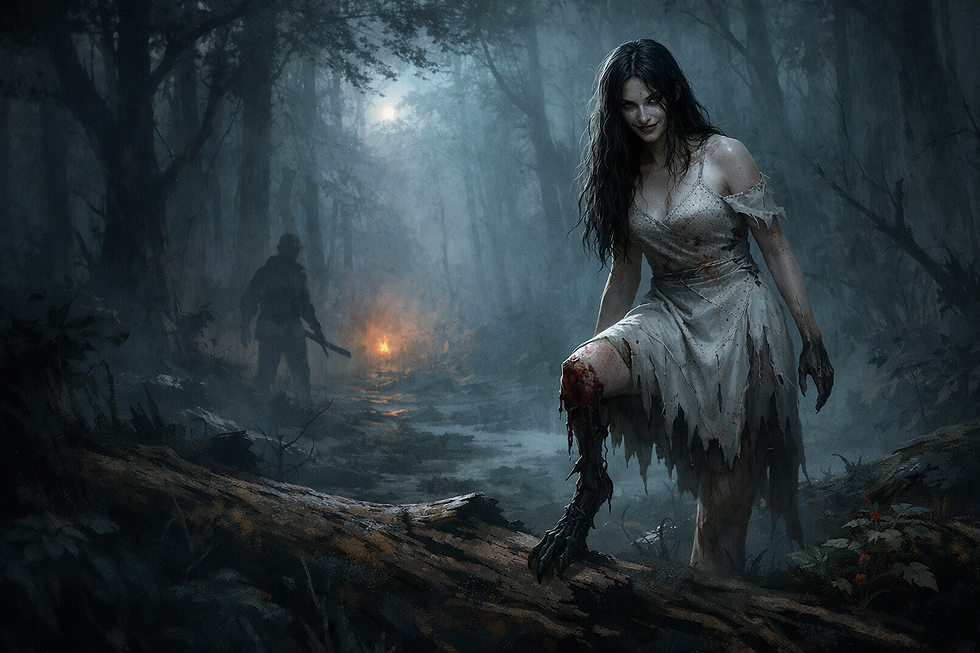
Thanks to these women, I’ve learned that horror doesn’t always have to scream. Sometimes it whispers. And sometimes... it smiles.


Comments