


🕯️ Letting Your Setting Haunt: Horror Atmosphere Done Right


From haunted houses and asylums to creepy towns swallowed by fog, the setting is just as much a character in horror fiction as any ghost or killer.
Atmosphere lays the foundation for dread. It speaks before the monster appears and lingers long after the final page. Done right, setting shapes your horror—not just where it takes place, but how it makes us feel.
In this post, we’ll break down how to craft atmospheric settings that elevate your horror stories from creepy to unforgettable.
Why Setting Isn’t Just a Backdrop (It’s the Main Villain, Sometimes)
Forget boring old wallpaper and furniture. In horror, your setting is basically alive—and it’s out to get you.
Think haunted mansions, asylums with sketchy hallways, or fog-drenched towns where nobody remembers your name. The place is in your face and under your skin.
The setting isn’t just “where.” It’s “why am I sweating buckets right now?”
Atmosphere: Your First Scare (Before the Monster Even Shows Up)
Atmosphere is that chilly feeling on your neck before anything even happens.
A normal room? With the right lighting (or lack of it), it turns into a nightmare factory.
The best horror settings don’t just sit pretty; they’re in on the scare. Legendary
Examples:
Hill House (Shirley Jackson): The house is petty, jealous, straight-up hungry.
The Overlook Hotel (Stephen King): If you start talking to the wallpaper, don’t say I didn’t warn you.
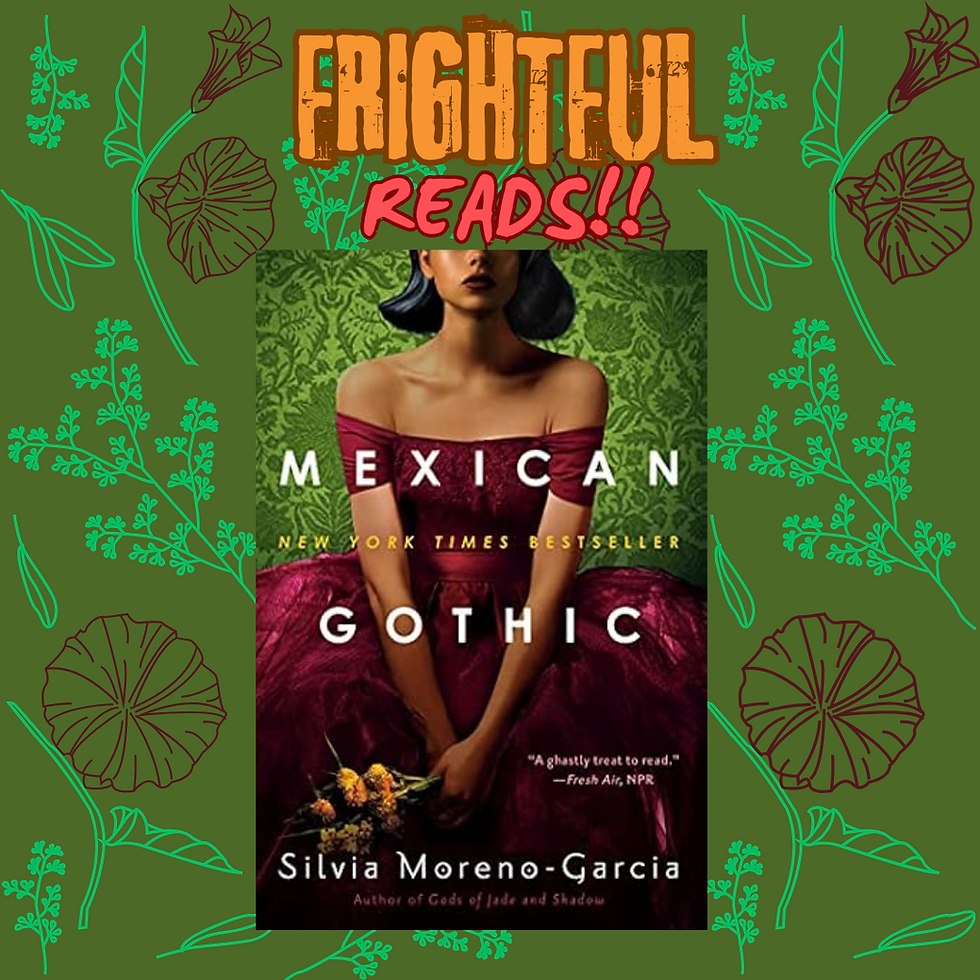
High Place (Silvia Moreno-Garcia): Looks classy—smells like secrets, rot, and doom.
Building Atmosphere: Make Your Reader Squirm
Ask Yourself:
What’s the vibe here—dread, hopelessness, or just general “nope”?
How’s the lighting? Flickering, blinding, or just gone?
Is it too quiet, or is something making weird noises in the walls?
Must-Try Tricks:
Full-Sensory Mode: Don’t just describe what things look like. How does it smell? Sticky floors, musty air, cold drafts—bring it all on.
Contrast is King: Pretty meets gross. Roses blooming out of a skull. A clean kitchen, but the fridge leaks something red.
Mirror the Inside: Character’s falling apart? The house should be, too. Cracks in the ceiling, cracks in their mind.
Story Inspiration: Atmosphere Masters
The Loney by Andrew Michael Hurley: Bleak beaches, spiritual doom, secrets in the dirt. The setting is the villain. Don’t read it with the lights off.
Quick Writing Prompt: Let the Room Breathe (Or Suffocate You)
Write a scene in a room that’s just… waiting.
Don’t spell out what’s wrong.
Let dread build through:
A never-ending, annoying sound
Something totally out of place
A silence that feels like it’s staring at you
Wrap-Up: The Setting Leaves a Mark (Or a Bruise)
When folks remember your story, they won’t just remember what jumped out—they’ll remember how it felt to be trapped in that world.
A killer atmosphere gives your setting power. It messes with your head. Sometimes, it’s the scariest thing in the book.
So, next time you build your creepy world, don’t just make a map. Summon something that’ll haunt your reader.
Let your setting breathe.
Or squeeze the air out.
Either way, make it unforgettable.
Chime In!
What’s your favorite horror setting? Drop a 🏚️ or hit up Shadowed Quill on Insta!
Share your favorite atmospheric reads—or what haunted place you’re writing right now.
Hungry for more tips, prompts, or deep dives? Subscribe to Shadowed Quill or binge the blog. (Seriously, don’t turn off those lights.)

Comments